Spain’s property market is often treated as one unified whole — but according to GIPE, that view misses the point entirely.
“Whenever we see headlines saying ‘Spanish house prices jump 15%’, the obvious question is: which part of Spain?” say Alfred van Krimpen and Christopher Fogelberg, president and vice president of GIPE, the European Association of Professional Real Estate Agents.
Drawing on decades of industry experience, they argue that Spain actually operates as three separate housing markets — each with its own drivers, risks, and opportunities.
The primary residential market: credit-led and under pressure
This is where everyday life happens for most Spaniards. Families, couples, and first-time buyers remain highly reliant on borrowing, with 72% of transactions financed through mortgages, according to Idealista. Prices have climbed sharply — up 15.3% year-on-year to an average of €2,517 per square metre — while access to affordable housing continues to tighten.
Looking ahead, GIPE forecasts more restrained growth of around 3% to 6% in 2026, concentrated mainly in major cities and surrounding areas, with interest rates and lending conditions acting as the main brake.
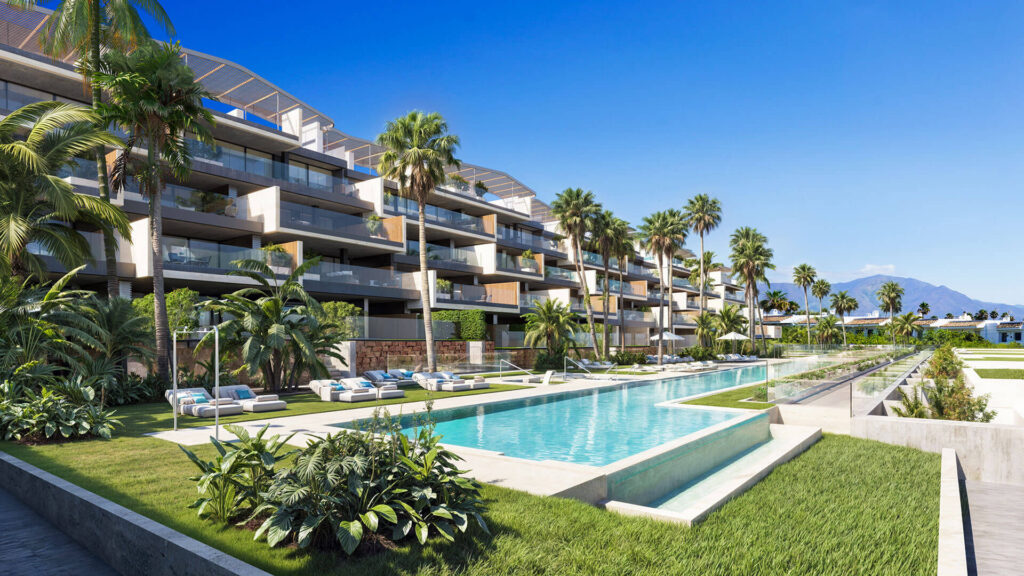
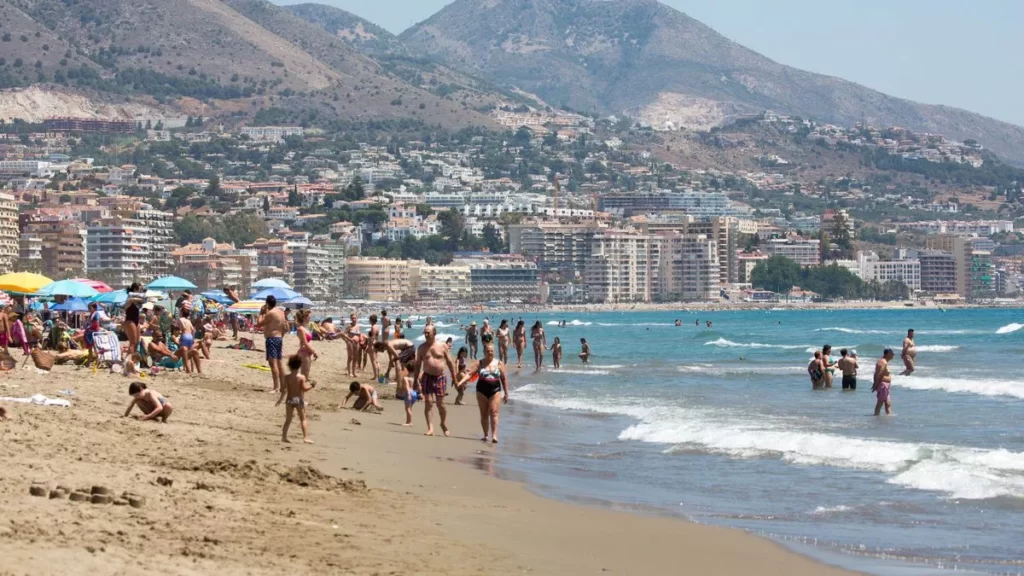
The coastal and second-home market: driven by foreign cash
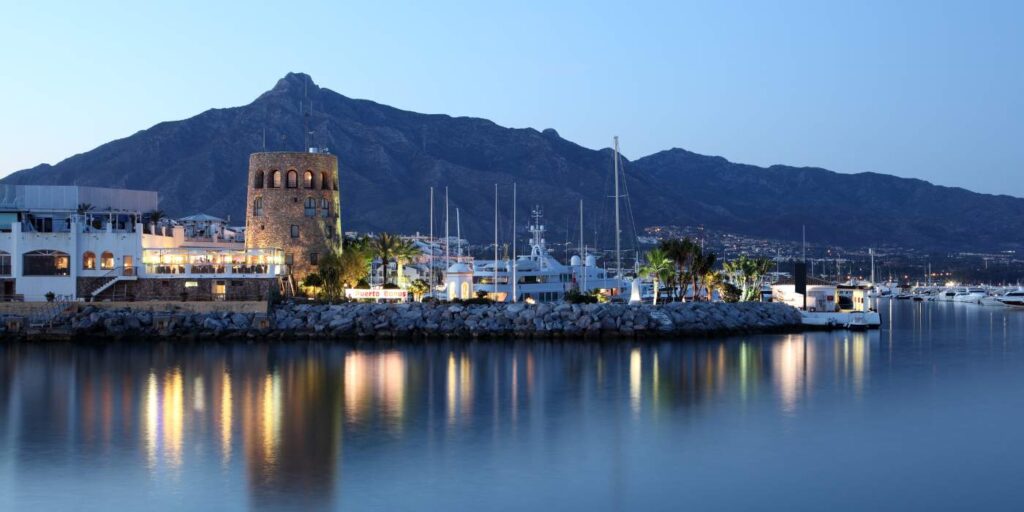
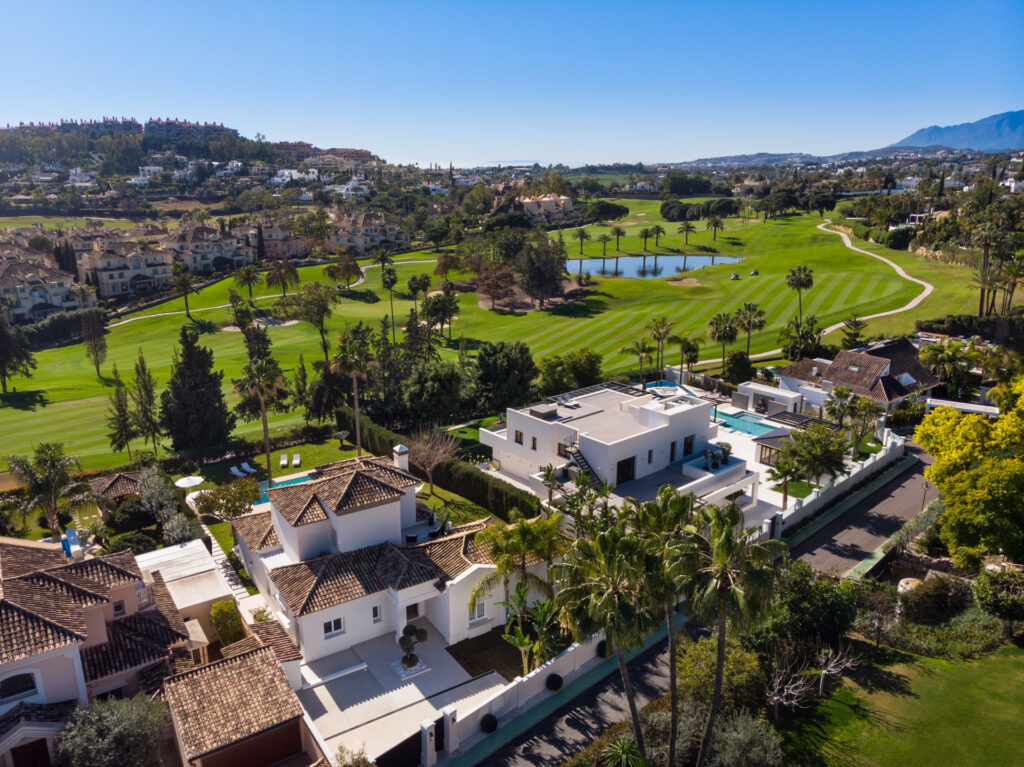
Along the coast, the dynamics are entirely different. Cash is king. In the first half of 2025, foreign buyers accounted for more than 71,000 purchases, making up 19.3% of all property transactions, according to notary data.
“That Swedish couple buying in Torrox didn’t care about mortgage rates — they cared about where the sun hits the terrace,” the GIPE authors point out. In this segment, lifestyle considerations outweigh financing costs.
Prices in established coastal areas are expected to rise between 5% and 10% in 2026, although GIPE cautions that markets heavily dependent on tourism may face swings due to stricter short-term rental regulations.
The rural market: gradual growth and lifestyle-led
Inland Spain remains the calmest part of the property landscape. Prices tend to move slowly — often below 2% annually — but demand is increasing, fuelled by remote work and interest in rural tourism.
As one GIPE member puts it, “This isn’t about returns — it’s about how people want to live.”
For 2026, expectations are stable, with moderate increases of up to 4% and growing potential in renovation projects and second homes focused on slower, quality-of-life living.
Clarity over hype
Van Krimpen and Fogelberg close with a reminder of the profession’s responsibility: to bring understanding, not exaggeration.
“Our job is to explain what the statistics don’t show — that Spain is diverse, including its housing markets, and that property, beyond numbers and yields, is ultimately where lives unfold.”